15 Easy Ways to Reduce Food Waste at Home


Food waste drains your wallet, harms the planet, and often happens right in your kitchen. The good news?
Small changes can make a big difference. From smart shopping to clever storage, you can save money, reduce waste, and enjoy fresher meals every day. Keep reading to discover 15 easy ways to cut food waste at home.
Key Takeaways
Plan Your Meals: Meal planning helps you buy only what you need and reduces waste.
Shop Smart: Use a grocery list and check your fridge first to avoid impulse purchases.
Store Food Properly: Refrigerate, freeze, or preserve items to extend freshness.
Repurpose and Compost: Turn leftovers and scraps into meals or compost instead of trash.
Educate Your Household: Tracking waste and teaching others helps everyone reduce food waste.
15 Easy Ways to Reduce Food Waste at Home
Plan Your Meals Ahead of Time
Planning your meals ahead of time is one of the simplest ways to reduce food waste at home.
Studies in the Journal of Resources, Conservation and Recycling show that poor meal planning, often caused by mismatched package sizes and not accounting for unused food, is a major driver of household waste.
Using a well-structured meal plan and shopping list can optimize food use, save money, and even lower your diet’s carbon footprint.
Research highlighted by the Journal Of Foods indicates that buying more than needed is the top reason for food waste, and households that don’t plan meals tend to discard more food simply because items are forgotten or over-purchased.
Commonly wasted foods like bread, milk, cheese, bananas, and leafy greens can be saved with careful planning.
Beyond helping the planet, meal planning is great for your wallet, CNN reports that families can save over $1,000 per year by reducing food waste. With a little effort each week, you can cook smarter, eat better, and waste less.

Make a Smart Grocery List
Reducing food waste at home starts with smarter grocery shopping, and a simple yet effective step is making a thoughtful grocery list.
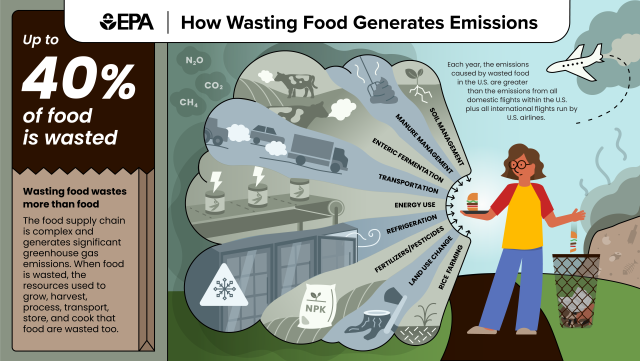
The U.S. Environmental Protection Agency reports that up to 40% of food is wasted, which not only squanders resources like water and energy but also contributes significantly to greenhouse gas emissions.
In fact, about one-third of groceries purchased in U.S. households end up in the trash, often including perishable items such as leafy greens, bananas, milk, bread, and cheese.
Planning meals ahead can dramatically cut this waste: research from the Journal of Emerging Technologies And Innovative Research found that households who regularly plan meals and store food properly generate significantly less food waste.
A well-prepared shopping list helps avoid impulsive buys, ensures you purchase only what you need, and encourages using leftovers efficiently.
By checking your fridge first, organizing items by store sections, and matching purchases to your meal plan, you can save money, reduce waste, and contribute to a more sustainable food system, all while making grocery trips less stressful.
Buy Only What You Need
In the United States, over one-third of the food produced is never eaten, costing the average household around $728 per person annually, or nearly $2,900 for a family of four.
A major reason is over-purchasing, often driven by promotions like “buy one, get one free,” which can encourage buying more than you actually need.
Meal planning and shopping lists can help reduce this waste. By checking your fridge and pantry first, planning weekly meals, and noting quantities for each item, you buy only what you’ll actually eat.
Buying in bulk or taking advantage of deals only saves money if the food is used before spoiling, and opting for imperfect produce or upcycled products can further cut waste.
Beyond the wallet, overbuying also impacts the environment: uneaten food ends up in landfills, producing methane, a potent greenhouse gas, and contributes to resource depletion. Thoughtful shopping isn’t just smart, it’s good for your family and the planet.
Understand Expiration Dates
Many people discard food due to date label confusion. “Sell by” tells stores when to remove items, “use by” indicates peak quality, and “best before” refers to optimal taste.
Food can often be safe after these dates if it looks, smells, and tastes normal. Check for mold, off smells, or texture changes, and use your senses rather than just the label to judge safety.
Store Food Properly
Proper food storage plays a crucial role in extending the shelf life of everyday foods and reducing household waste.
Research highlighted in the Journal of Sustainability shows that understanding storage challenges and using safe handling techniques can keep food fresh even beyond its “best before” date, supporting global efforts to cut food waste and promote sustainable practices.
Simple methods like freezing, dehydrating, pickling, fermenting, canning, airtight storage, and even using herb vases or repackaging leafy greens can significantly slow spoilage in fruits and vegetables.
Temperature control is equally important: the Journal of Food Control notes that refrigerators should ideally stay between 2–4 °C to prevent bacterial growth, with careful organization preventing cross-contamination.
Innovative solutions, such as UV-C light storage lids, can further protect foods from mold and pathogens while maintaining quality.
By combining temperature awareness, smart storage practices, and creative preservation methods, households can enjoy fresher foods longer, reduce waste, and contribute to a safer, more sustainable food system.
Organize Your Pantry and Fridge
Group pantry items by type (grains, canned goods, snacks) and store dry goods in airtight containers.
Label foods with purchase or expiration dates. In the fridge, keep fruits and vegetables separate, and place leftovers in clear containers at eye level.
Rotate older items to the front and new items to the back. Organized storage saves money, extends food life, and prevents waste.
Freeze Leftovers for Later
Freezing leftovers prevents waste. Cool food before freezing, portion into single servings, and label with the date.
Use within three to six months, and cover tightly to prevent freezer burn. Freezing preserves nutrients and taste.
Repurpose Leftovers Creatively
Leftover vegetables work well in stir-fries, frittatas, or casseroles. Chicken can be shredded for tacos, sandwiches, or salads. Stale bread can become croutons, bread pudding, or strata.
Use leftover fruits in smoothies, compotes, or desserts. Cheese can be melted into sauces, omelets, or baked dishes.
Soups are an easy way to use various leftovers. Repurposing food reduces waste and creates tasty meals.
Use Ugly or Imperfect Produce
Misshapen or blemished fruits and vegetables are safe to eat if firm and fresh-smelling. Use imperfect fruits in smoothies, juices, baking, jams, or preserves.
Cook misshapen vegetables in soups, stews, or roasted dishes. Store produce in cool, dry places or the fridge to extend shelf life. Using imperfect produce reduces waste and saves money.
Practice Portion Control
Oversized portions at home contribute significantly to food waste, accounting for roughly 10–15% of household waste.
On average, a person may throw away 20–25 kg of food per year, with 2–4 kg lost simply due to over-serving.
Commonly wasted foods include rice, pasta, bread, meat, vegetables, and even sauces, items often cooked or served in amounts larger than we can realistically eat.
Studies show that managing portion sizes can help reduce this waste. Offering smaller servings, whether in restaurants or at home, aligns the amount of food served with actual consumption, helping prevent leftovers.
Portion control also improves grocery efficiency, as buying and cooking only what is needed reduces both food waste and household spending.
Simple strategies like serving smaller portions first, storing leftovers promptly, and using measuring tools can make a big difference.
By being mindful of how much we put on our plates, we not only save money but also lessen the environmental impact of excess food waste.
Compost Food Scraps
Did you know the average household wastes a staggering amount of food each year? Globally, households toss over a billion meals daily, and in the U.S. alone, more than 92 billion pounds of food go to waste annually.
Much of this waste is organic, like fruit and vegetable scraps, coffee grounds, and eggshells, which makes it perfect for composting, though items like meat, dairy, citrus, and greasy foods should be avoided.
Composting these scraps has huge environmental benefits: it reduces methane emissions from landfills, recycles nutrients into valuable soil, and even supports green jobs while extending landfill life.
Studies, including research featured in the Journal of Waste Management, show that home composting programs can divert significant amounts of organic waste, producing high-quality compost with excellent nutrient content.
Simple habits like using a kitchen caddy, chopping scraps for faster decomposition, and maintaining an accessible compost bin can make a big difference, helping households reduce waste while nourishing gardens naturally.
Track What You Throw Away
Food waste at home is surprisingly high. The Natural Resources Defense Council highlights that the average American household tosses about 6 pounds of edible food each week, which adds up to millions of tons nationwide, enough to fill a million dump trucks.
The most commonly wasted foods include milk, bananas, chicken, apples, potatoes, and cheese, according to ReFED and NRDC research.
Keeping a close eye on what you throw away can make a real difference. By tracking your food waste, you learn which items spoil fastest, why they go unused, and how to plan meals better.
Studies show that households that log their waste can reduce it by nearly 28%, thanks to improved shopping habits, meal planning, and creative use of leftovers.
Even more encouraging, research finds that about 64% of household food waste is avoidable, with fruits, vegetables, and bread topping the list.
Paying attention to what ends up in the trash not only saves money but also helps the environment, turning a simple habit into a big impact.
Preserve Food Through Canning or Pickling
Preserving food through canning or pickling is a smart way to reduce household food waste and extend the life of fruits and vegetables.
Unlike refrigeration, which only slows spoilage, canning uses heat to kill bacteria and deactivate enzymes, while pickling creates an acidic or salty environment that prevents microbial growth.
These methods allow you to store food for months or even years, giving you more time to enjoy seasonal produce instead of letting it go to waste.
While some water-soluble vitamins like C and B may be lost during the process, minerals, proteins, and fat-soluble vitamins remain largely intact, and fermented pickles can even introduce beneficial probiotics.
Proper safety is crucial, using pressure canners for low-acid foods, ensuring jars are sealed, and discarding any suspicious-looking items can prevent serious illnesses like botulism.
By preserving food this way, you not only save money but also help minimize food waste, making your kitchen more sustainable and your meals more enjoyable.
Get Creative with Stale Bread and Vegetables
Stale bread can be turned into croutons, bread pudding, or a strata base. Slightly wilted vegetables work well in panzanella salads, strata, soups, or stews. Using aging ingredients creatively reduces food waste and highlights their versatility.
Educate Your Household About Food Waste
Food waste is throwing away food that could be eaten. Teach kids by explaining that it harms the environment and wastes money.
Engage them with activities like tracking tossed food for a week or cooking leftovers together.
Adults can reduce waste by planning meals, using leftovers, and setting small goals.
Discussing the environmental impact of food production makes the issue tangible. Tracking waste encourages mindfulness and helps households consistently reduce food waste.
Why Reducing Food Waste at Home Matters?
Every year, food waste adds up to a staggering scale. The United Nations Environment Programme reported that in 2022 alone, 1.05 billion tonnes of food were wasted, about 132 kilograms per person, and nearly 60% of this happened in households.
Beyond the sheer volume, the impact is deeply troubling. When food ends up in landfills, it releases methane, a greenhouse gas far more potent than carbon dioxide, contributing to 8–10% of global emissions.
Wasted food also means wasted water, energy, land, and labor, resources that could have supported food security instead of fueling biodiversity loss.
The economic cost is just as striking: families unknowingly throw away nearly $3,000 worth of groceries each year.
Studies published in the International Journal of Environmental Research and Public Health suggest that nearly half of household food waste is avoidable, often caused by shopping habits or poor planning.
By making small changes, buying only what we need and using what we buy, we can protect the planet, save money, and support global efforts to cut food waste in half by 2030.
FAQ
What are common misconceptions about food expiration dates?
Many people throw away food too soon because they confuse labels like “sell by,” “use by,” and “best before.” The European Food Information Council explains that “use by” dates relate to safety, you should not eat food after this point, while “best before” dates are about quality, meaning foods may still be fine to eat if they look, smell, and taste normal. Studies even show that items such as milk, pasta, mayonnaise, and jam can remain microbiologically safe for months beyond their “best before” date, though minor changes in texture or color may occur. Despite this, confusion leads to huge waste. One UK report estimated that around 20% of household food waste stems from misunderstanding date labels, while U.S. surveys reveal that 84% of consumers sometimes discard food simply because it’s near the printed date. To make matters more complex, the Food Safety and Inspection Service of the U.S. Department of Agriculture notes that most foods don’t require expiration labels at all, except for infant formula, which must carry a “use by” date.
How can you prevent food waste when dining out or ordering takeout?
To prevent food waste when dining out or ordering takeout, order smaller portions, share dishes, and avoid unnecessary garnishes. Plan meals realistically, store leftovers properly, and use them creatively. Always request a to-go box to enjoy uneaten food later while reducing overall waste effectively.
How can you store leftovers safely to prevent foodborne illnesses?
Storing leftovers properly is one of the simplest ways to avoid foodborne illnesses. Bacteria grow fastest between 40°F and 140°F, so it’s important to refrigerate cooked food within two hours of cooking, or within one hour if it’s a hot day above 90°F. Hot foods should be kept at 140°F or warmer until they’re ready to be cooled. When it comes to storage times, Food Safety guidelines note that most cooked meats and poultry last three to four days in the fridge and up to six months in the freezer. Items like tuna or chicken salad should be eaten within three to four days, while hard-cooked eggs keep for about a week. For best results, cool leftovers quickly, store them in airtight containers, and label them before refrigerating or freezing to help track freshness. When reheating, always bring foods back to 165°F, and heat soups or gravies to a rolling boil. Covering food while reheating keeps it moist and ensures even warming. Following these simple steps can keep leftovers both safe and delicious.

Holistic Heather
Heather has been writing about holistic health and wellness practices since 2020.