


What Happens When You Sleep Too Much?
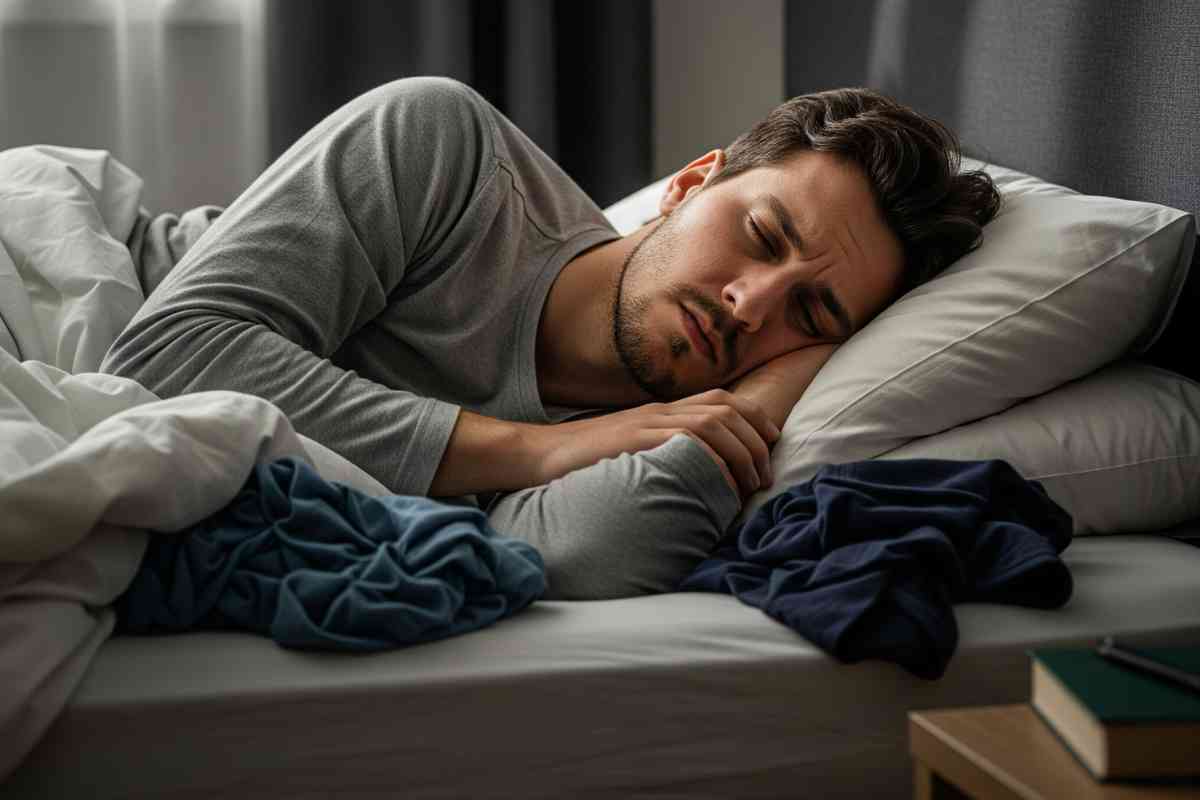

Do you wake up tired even after a long sleep? Sleeping too much can feel like a lazy habit, but it’s often a sign that something deeper is going on.
From health issues to daily habits, many things can affect your sleep. Keep reading to find out what happens when you oversleep, and why it matters.
Key Takeaways
Understand Why You Oversleep: Conditions like hypersomnia, depression, and poor sleep quality can cause excessive sleep.
Watch Your Lifestyle Habits: Irregular schedules, screen use, low activity, and substances like alcohol and caffeine disrupt your sleep.
Know When Sleep Is Too Much: Regularly sleeping over 9 hours as an adult may lead to fatigue and health issues.
Recognize Oversleeping Symptoms: Fatigue, headaches, mood swings, and slower metabolism are signs you might be oversleeping.
Be Aware of Social Impact: Oversleeping can reduce productivity, strain relationships, and increase feelings of isolation.
Why Do Some People Sleep Excessively?
- Some people feel tired all the time even after sleeping enough: Some people sleep too much because of a condition called hypersomnia, which makes them feel tired even after a full night’s rest. It’s more than just being lazy; this condition causes real, ongoing exhaustion.
- When the brain doesn’t manage sleep properly, people oversleep: There’s a rare neurological disorder where the brain doesn’t control the sleep-wake cycle properly. This leads to poor-quality sleep and extreme tiredness during the day, even though it’s different from narcolepsy because it doesn’t include sudden sleep attacks.
- Doctors use sleep tests to find out what’s wrong: To understand why someone is sleeping too much, doctors may suggest an overnight test that tracks brain waves, breathing, and movement. This helps check for sleep apnea or similar issues.
- Brain injuries and diseases can make people sleep more: Oversleeping sometimes happens after brain injuries like strokes or head trauma. Neurological problems such as Parkinson’s or multiple sclerosis can also affect the brain’s ability to control sleep.
- Depression makes the body want more sleep: People with depression often sleep a lot. Feeling emotionally drained or lacking motivation can make the body feel like it needs extra rest.
- Bad sleep at night makes people sleep more during the day: When people toss and turn or wake up often at night, they may sleep more later to make up for the poor rest.
- Some medicines and hormone changes increase sleep: Certain medications or drugs can slow down the body and increase the need for sleep. Hormone changes can have a similar effect.
- If sleeping too much becomes a daily problem, it needs attention: When someone sleeps too much every day and it starts affecting their life, it’s important to see a doctor and find out what’s really going on.
Lifestyle Factors Contributing to Oversleeping
Irregular Sleep Schedules Disrupt Your Body’s Natural Sleep-Wake Cycle
- Irregular sleep times confuse your internal clock: Irregular sleep schedules, like staying up late on weekends or frequently shifting your sleep times, disrupt your body’s natural sleep-wake cycle. This mismatch leads to something called "social jet lag," which often causes oversleeping as your body tries to recover.
- Poorly timed naps mess with your rhythm: Taking naps too often or at the wrong times adds to the confusion, disturbing your circadian rhythm and leaving you feeling more tired instead of rested.
- Consistency is key to better sleep: Going to bed and waking up at the same time every day even on weekends helps train your body to follow a healthy sleep pattern. This consistency reduces the chances of oversleeping and improves overall sleep quality.
- Small changes can reset your internal clock: Using tools like light exposure and melatonin supplements can help reset your internal clock, making it easier to align your sleep habits and wake up naturally without relying on alarms.
Using Screens Before Bed Reduces Melatonin and Delays Sleep Onset
- Looking at screens before bed makes it harder to fall asleep: Blue light from phones, tablets, and computers suppresses melatonin production, which your body needs to fall asleep. This delay in sleep can lead to poor rest and feeling more tired the next day.
- Bad sleep from screen use can lead to oversleeping: When you don’t sleep well at night because of late screen use, you’re more likely to oversleep in the morning. This starts a cycle where you're constantly tired and sleeping in too much.
- Your phone and laptop have tools to reduce blue light: Features like Night Shift (on Apple devices), Night Mode (on Android), and blue light settings in Windows 10 can reduce the amount of blue light your screen gives off at night.
- Too much screen time at night affects moobd and memory: A recent study found that students who used phones and laptops at night had worse sleep, which hurt their mood, memory, and even academic performance.
- Using blue light filters can help protect your sleep: If you can’t avoid screens at night, you can also use physical blue light filter covers to block some of the harmful light.
- Staying off screens before bed helps you fall asleep faster: Try to avoid looking at screens 2 to 3 hours before sleeping. This helps your body make more melatonin and makes it easier to fall asleep naturally.

Lack of Physical Activity Lowers Energy and Sleep Quality Over Time
- Low physical activity reduces your daily energy: Not moving enough during the day makes you feel tired and lowers your overall energy.
- Less exercise leads to poorer, lighter sleep: Without enough activity, your sleep becomes less deep and less refreshing.
- Regular daily exercise helps improve sleep quality: Doing about 30 minutes of moderate exercise every day supports better sleep patterns.
- Lack of exercise makes it harder to sleep well at night: Not being active enough can cause insomnia or restless sleep over time.
Alcohol and Caffeine Interrupt Deep Sleep and Prolong Morning Drowsiness
Alcohol disrupts deep sleep cycles, and caffeine reduces REM and deep sleep quality. These effects lead to grogginess and sleep inertia, increasing the desire to oversleep to feel rested.

Depression and Anxiety Often Cause Excessive Sleep to Escape Stress
People with depression or anxiety may oversleep to avoid emotional pain or manage mental fatigue. Oversleeping can become a coping mechanism but may worsen symptoms over time.
Poor Nutrition Leads to Low Energy and Disrupted Sleep Patterns
A diet low in essential nutrients or high in processed foods can cause energy crashes, making oversleeping seem necessary.
Skipping meals and blood sugar drops further disrupt sleep-wake cycles. To maintain better sleep and energy levels, it's important to include nutrients like magnesium, calcium, and vitamins D and C, which help regulate sleep patterns and keep you feeling refreshed throughout the day.
Bad Habits Can Worsen Symptoms of Existing Sleep Disorders
- Stress makes your sleep disorder even harder to manage: When you're constantly stressed, falling asleep or staying asleep becomes more difficult especially if you already struggle with a sleep disorder. This keeps you stuck in a cycle of poor sleep and daytime fatigue.
- Sleeping and waking at random times confuses your body: An inconsistent sleep schedule messes with your internal clock. If you already have trouble sleeping, this habit only makes it worse.
- Late-day caffeine pushes your sleep problems further: Drinking coffee or energy drinks too late overstimulates your brain, making it much harder to sleep if you already deal with issues like insomnia.
- Bad nighttime routines keep dragging your sleep quality down: Habits like scrolling your phone in bed or not giving yourself time to relax before sleep can make existing sleep disorders feel worse over time.
How Much Sleep Is Too Much?
- Sleeping more than 9 hours can be too much for most adults: Most adults need between 7 to 9 hours of sleep to stay healthy. If you're regularly sleeping more than 9 hours, it might be more than your body actually needs.
- Teenagers may need extra rest, but too much is still too much: While teens usually need 8 to 10 hours of sleep, going beyond 11 hours on a regular basis could mean they’re overdoing it.
- Oversleeping every day for months can harm your health: Long-term oversleeping getting 9 or more hours every night for months has been linked to a higher risk of dying earlier, even if you’re otherwise healthy.
What Are the Symptoms of Oversleeping?
Persistent Daytime Fatigue
Despite extra hours of rest, oversleeping can cause fatigue by disrupting your internal rhythms and lowering daytime energy. It may also lead to headaches.
Mood Swings & Irritability
Oversleeping can upset neurotransmitter balance, causing irritability, emotional instability, and frustration without clear reason.
Headaches & Brain Fog
Sleeping too much may trigger headaches and cognitive fog, making concentration difficult. Dehydration and disrupted rhythms contribute to these effects.
Aches from Inactivity
Long periods of inactivity during extended sleep cause muscle and joint stiffness, especially in the neck, back, and legs due to poor circulation.
Higher Risk of Depression
- Sleeping too much can mess with the brain and mood: Chronic oversleeping can disturb the brain’s chemical balance, which affects how you feel emotionally. This imbalance may make feelings of sadness and hopelessness even worse.
- More sleep isn’t always better for mental health: Research shows that both sleeping too little and sleeping too much can raise your chances of getting depression especially in middle-aged and older people.
- Not sticking to 7 hours of sleep can trigger depression signs: People who regularly sleep more or less than 7 hours a night were more likely to show symptoms of depression, according to the study.
- Oversleeping can make emotional problems even harder: The findings highlight how important it is to keep sleep balanced. Sleeping too much might not just be a result of depression it can actually make your emotional struggles worse.
Slower Metabolism & Weight Gain
Oversleeping slows metabolism, reduces calorie burning, and affects insulin sensitivity, increasing risks of weight gain and metabolic problems.
Disrupted Sleep Patterns
Consistent oversleeping disturbs sleep schedules, impairing immune function, mood, memory, and cognitive abilities.

What Are the Social Consequences of Sleeping Too Much?
Higher Risk of Depression & Anxiety
Oversleeping disrupts brain chemistry, increasing the risk of mood disorders and isolation, which can worsen anxiety and depression symptoms.
More Social Isolation
Excessive sleep reduces energy and availability for social events, increasing feelings of loneliness and weakening social ties.
Lower Work & School Performance
Too much sleep causes grogginess and impaired focus, reducing productivity, motivation, and memory retention in academic and professional settings.
Disrupted Daily & Social Schedules
Oversleeping can throw off daily routines, leading to rushed tasks and missed social engagements, increasing stress and missed opportunities.
Stigma & Negative Judgments
Society often equates oversleeping with laziness or poor ambition, causing feelings of shame and guilt, especially reinforced by social media portrayals.
Less Physical & Leisure Activity
Spending excessive time sleeping limits exercise and leisure, fostering a sedentary lifestyle that can contribute to weight gain and reduced family interaction.
Strained Family Roles & Duties
Oversleeping can burden family members with extra chores, cause misunderstandings about responsibilities, and increase resentment, disrupting family harmony.
FAQs
Why Does Sleeping Too Much Make You Feel Tired?
Oversleeping disrupts your natural sleep cycle, causing grogginess and fatigue. It can slow brain function and leave you mentally foggy and unproductive.
Is Oversleeping More Common in Certain Age Groups?
Teenagers are prone to oversleeping due to stress and irregular schedules, while elderly individuals may oversleep because of health problems or poor sleep quality.
Can Medication Cause You to Sleep Too Much?
Certain medications, such as sedatives, antihistamines, antidepressants, and antipsychotics, can increase sleepiness and disrupt natural sleep-wake cycles.
Can Sleeping Too Much Cause Weight Gain?
Oversleeping slows metabolism and alters hunger hormones, increasing appetite and cravings for unhealthy food. Reduced physical activity also contributes to weight gain.

Holistic Heather
Heather has been writing about holistic health and wellness practices since 2020.

